Emergency Roof Leak Repair & Snow Overload in Strongsville, OH
Rapid emergency response for active winter ceiling leaks, heavy lake-effect snow weight deflection, and sub-fascia water ingress across Strongsville.
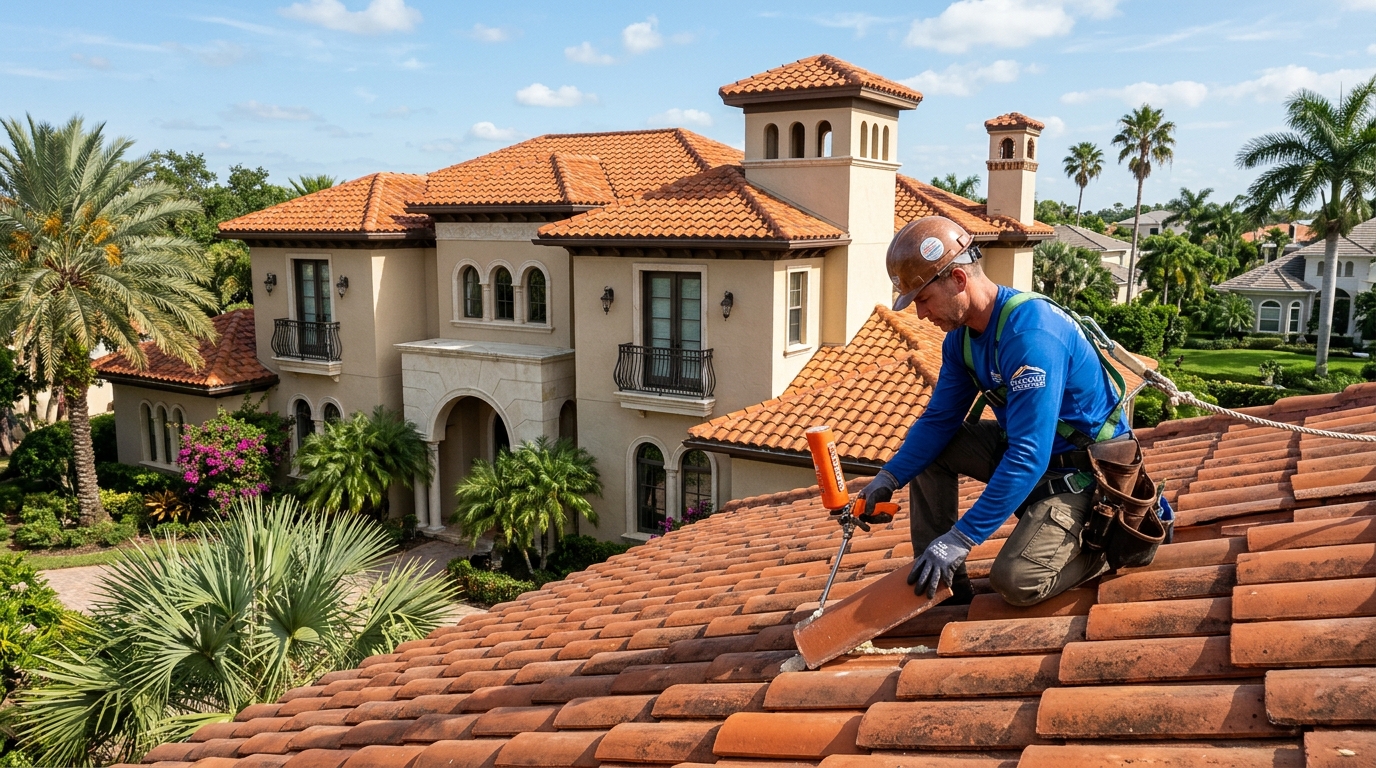
Localized Field Mitigation Protocols for Strongsville, OH
- Protocol 1: Attic rafter structural deflection diagnostics and controlled snow load mitigation using non-abrasive poly roof rakes
- Protocol 2: Low-pressure dry boiler steam relief of deep valley ice bridges to restore unobstructed runoff drainage
- Protocol 3: Installation of high-temperature self-adhering polymer ice barrier membranes extending 36+ inches up valley slopes
- Protocol 4: Comprehensive forensic storm documentation and high-resolution digital imaging for insurance claim adjuster filing
1. Architectural Profile & Structural Characteristics in Strongsville
Strongsville features modern two-story colonial homes, transitional multi-level executive subdivisions, and expansive contemporary residential developments constructed from the 1970s through the 2000s. These homes incorporate deep valley troughs, intersecting roof planes, and decorative masonry dormers.
Maintaining weather integrity across these structural assemblies requires specialized diagnostic equipment and historical materials expertise. Standard modern roofing practices cannot simply be applied to historic slate or custom architectural assemblies without risking irreversible damage to fragile ceramic tiles, antique copper flashings, or structural rafter framing.
2. Local Microclimate Stressors & Severe Storm Dynamics
Positioned within Cuyahoga County's southern lake-effect snow corridor, Strongsville regularly experiences intense convective snow squalls that deposit extreme snow loads exceeding 30 to 40 pounds per square foot. Saturated snow weight causes structural rafter deflection, stresses valley underlayments, and creates severe freeze-thaw sub-fascia leaks.
During extreme convective lake-effect squalls and winter bomb cyclones, local municipal infrastructure is pushed to its limits. Water penetrating through compromised roof decks can saturate fiberglass insulation batts, degrade ceiling drywall, and create hidden structural moisture reservoirs that threaten electrical fire hazards and rapid black mold colonization.
3. Non-Destructive FLIR Thermal Imaging in Strongsville
Dispatched contractors servicing Strongsville deploy high-resolution FLIR infrared thermal cameras to map concealed moisture channels behind finished drywall, plaster, and timber ceilings without requiring destructive demolition. Thermal imaging identifies evaporative temperature differentials, rendering trapped water plumes in vivid detail.
Combined with calibrated electronic pin and capacitance moisture meters, technicians evaluate whether ceiling moisture is the result of active bulk water intrusion from roof leaks or interior winter humidity condensation caused by inadequate attic ventilation.
4. Ohio Building Code Title 4101:1 & Municipal Licensing in Strongsville
All permanent emergency roof repairs conducted in Strongsville must comply with the Ohio Residential Code (R905) and local municipal building inspection standards:
- Mandatory Ice Barrier Underlayment: Self-adhering polymer-modified bitumen membrane extending from the eave edge to at least 24 inches inside the interior warm wall line.
- High-Wind Fastener Patterns: Shingles secured with 6 hot-dipped galvanized nails positioned beneath the sealant line to withstand 110–130 mph Lake Erie gusts.
- Contractor Registration: Dispatched independent contractors hold active municipal contractor registrations, commercial general liability coverage (,000,000 minimum), and active Ohio Bureau of Workers' Compensation (BWC) certificates.
5. Preventative Property Maintenance for Strongsville Property Owners
Homeowners in Strongsville can minimize severe storm risk through targeted maintenance:
- Clean all roof valleys, gutters, and downspout conductor heads every autumn to ensure unobstructed snowmelt drainage.
- Seal attic air leaks around plumbing vents, chimney chases, and recessed lights to lower attic temperatures below 32°F.
- Inspect chimney mortar reglet flashings annually to reseal freeze-thaw hairline cracks with elastomeric polyurethane sealant.
Active Storm Damage or Roof Leak in Strongsville?
Zero web forms, callback queues, or email delays. Connect immediately with our 24/7 Cleveland emergency dispatch desk to route licensed on-call crews directly to your Strongsville property.
CLICK TO CALL DISPATCH: (888) 208-4155